

I famously do not have any (nearby) friends my own age. Basically everyone I hang out with is at least five years younger (18-21) or five years older (31-40) than me. As such, I am always the ___________ friend, but whether the ___________ is filled with “Millennial” or “Gen Z” depends on who I’m in the company of.
To most, this makes me a classic Zillennial. I was around for Vine and when the gun emoji used to be an actual gun, not a water gun, but I’ve never used dial-up internet. I make hand hearts the old person way and have been to a Taylor Swift concert (on the Red tour feat. Ed Sheeran, no less), but I know the current slang.
I am a ghost moving between worlds. Except actually I’m not. And today is the day I have chosen to die on that hill.
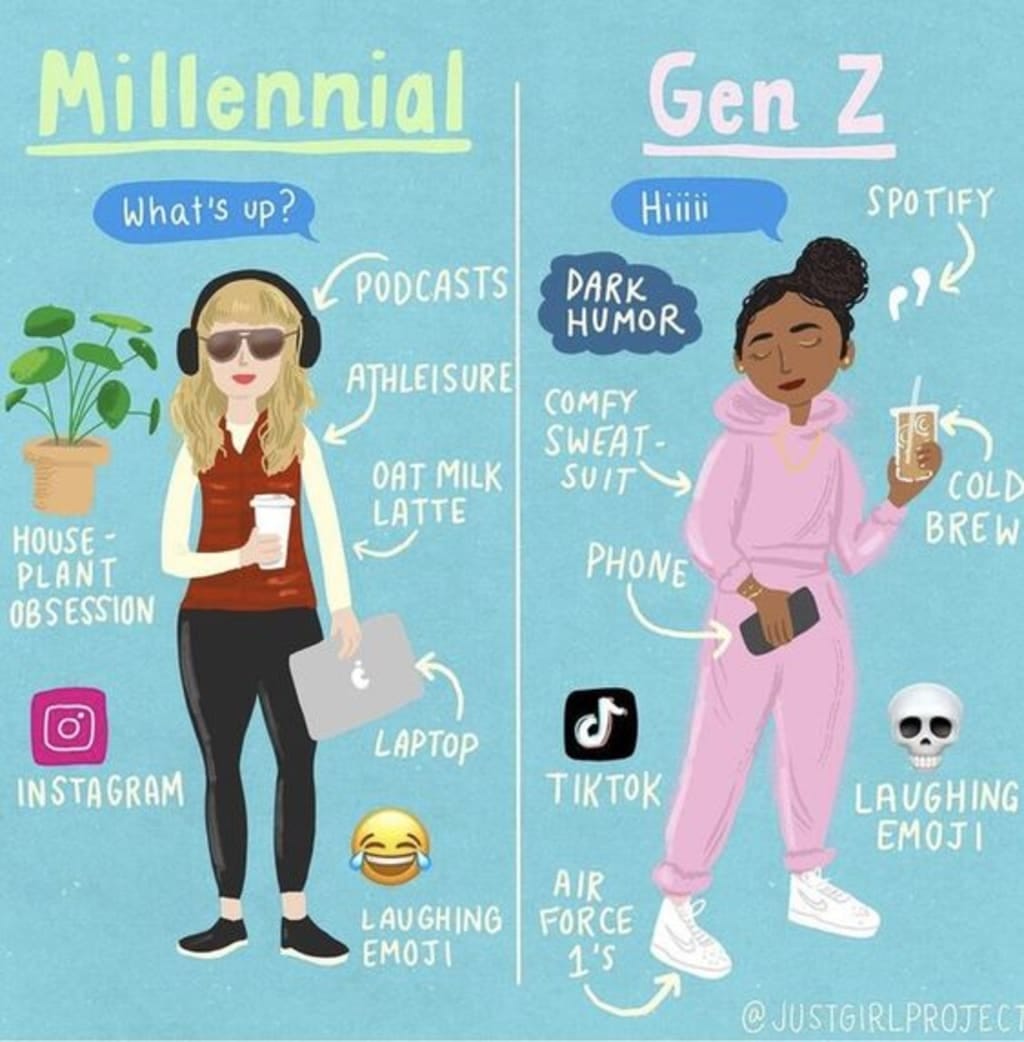
I am a firm believer that year of birth does not make a generation, but rather major national/global events and developments. It’s actually what I originally planned to do my dissertation on. I wanted to research what really makes a generation, what different generations think of each other, and why it matters. 1
Here’s the short version of the first part of my argument: Millennials being everyone born from 1981 to 2000 and Gen Z being everyone born from 2001 to 2020? Dumb. Pseudoscience. Not useful for much more than embarrassing generation battles on TikTok.
Basically, I can’t think of any real function of defining age groups in this way other than promoting a weird sort of tribal mentality within generations. While camaraderie can certainly be beneficial, such harsh lines only make the definition of in-groups and out-groups too easy. Do generations as we know them really bond us closer to those we share them with? Or do they put us on a team in opposition to the other generations? It certainly feels more like the latter.
Consider the intergenerational TikTok drama between Millennials and Gen Z. Suddenly, everything was of consequence. Where people part their hair. The fit of the ankles of their pants. Eminem, for some reason. Nothing particularly productive came of it- much like the Baby Boomers’ incessant critique of Millennials.
Of course, older generations always seem to love dunking on their successors. Or trying to, at least. This isn’t necessarily a function of generations, and I’m not trying to argue that we would all get along if we got rid of the concept of generations. Contrary to how it might sound, I am actually not a hater of the concept of generations in general. It’s really only the rigid way we define them that I can’t stand.
So here’s the second part of my argument: When we consider generations as a product of a moment in history, they become something much more meaningful. Rather than arbitrary lines between subjective in-groups and out-groups, generations become markers of cultural and historical change.
For example, I believe the American Millennial is anyone who is old enough to remember 9/11 to some degree but was in their youth when it happened. Gen Z then is comprised of those who don’t remember a time before the World Wide Web. Baby Boomers were those who came of age in the post World War II world. Where traditional generational theory marks the generation in reference to what came before or what is predicted to be of major importance (i.e. millennials and the turn of the millennia, baby boomers and the boom of reproduction following WWII, gen z simply being two generations after gen x2), temporality itself isn’t what defines a generation. It is the new context they are coming up in that defines a generation.
In other words, different age groups come of age in different worlds. These different worlds shape them in to different people, and these different people shape a different world. The cycle continues. A new generation, then, isn’t relevant every 20 years, but every time the social landscape shifts drastically.
This is similar to the anthropological concept of age grades without simply reproducing it.
An age grade is basically the life stages a group of people of similar ages pass through together. In my culture, this is something like childhood, young adulthood, adulthood, middle age, and the elderly years. Each of these stages represent different responsibilities, expectations, and abilities we assign people in their associated age groups. By defining these grades, we can better study and understand what it means to be a certain age within a particular sociocultural context.
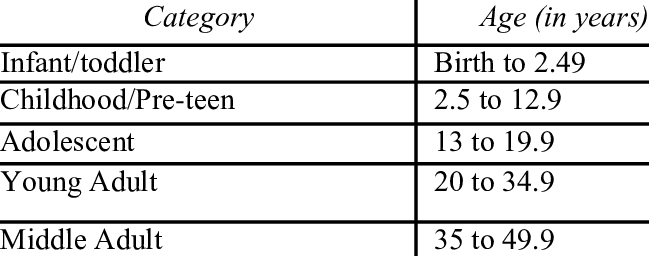
Where age grades can capture the experience of the life span, my conceptualization of generations can capture the particular experience of the age cohort as it is experienced in time and space. We change life stages, but our cohort is always with us. By combining these age perspectives, we get a more holistic, sociotemporal snapshot. Not just TikTok debates.
In the end, this is a lot of words to say that I think 2000 is a dumb cut off time for the line between the Millennial and Gen Z generations. 1996 makes more sense. But not as much sense as throwing out the mindset that there are clear boundaries between generations altogether.
my senior project was about millennials’ perceptions of gen x… unfortunately my findings (that gen x is a “nothing” generation) hurt a lot of feelings
thats right, millennials could also be called gen y